
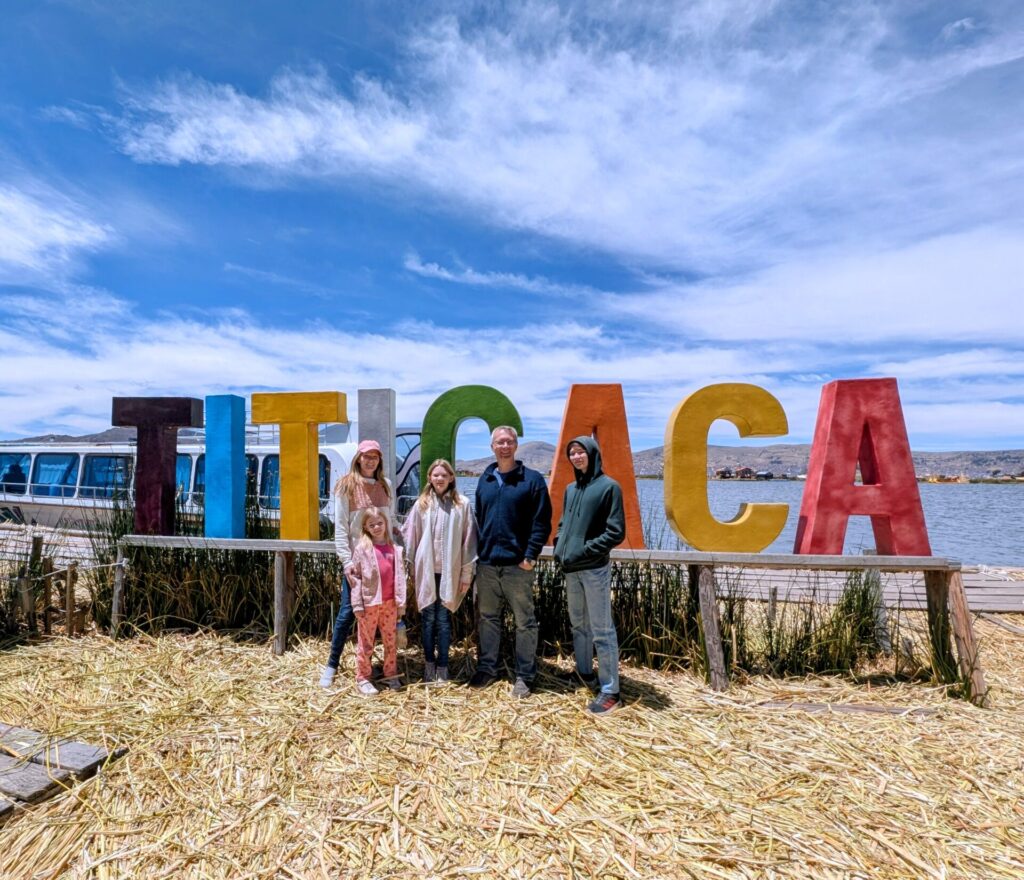
Our family visited the Uros floating islands of Lake Titicaca, and it showed us just how tired we are of living in a busy city.
We rented a car and embarked on the 5-hr drive to Puno, a lakeside city where we were to catch a ferry and stay two nights on one of the floating islands. But the journey took some interesting turns.
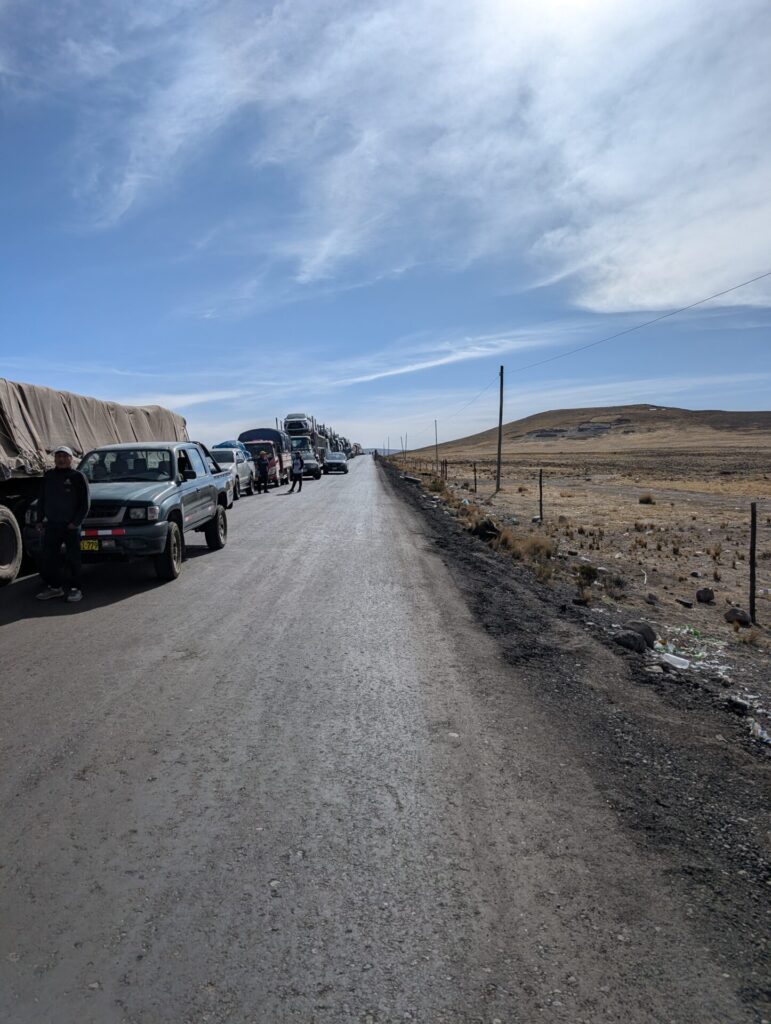
Road Construction in Peru
This main highway had some road construction – no biggie, right? They’ll stop traffic for a bit, let opposing traffic through, then we’ll get our turn… right? We were stopped for a while. People started getting out of their cars as the time passed. 15 minutes, still no movement. 30 minutes. 45. After an hour I hopped out and talked with others around, who seemed totally fine with waiting. It was the weirdest thing – like they just expected it and knew it would be a while longer.
We sat there for 2.5 hours!
I thought about what it would look like in the USA if a major highway – the only real route between two cities, just shut down traffic for construction for an hour. I don’t think it would be a pretty sight! Certainly not the pop-up community gathering we witnessed in Peru.
People Change Behind the Wheel
Peruvians have to be some of the nicest people in the world – unless they are driving. This ‘main route’ is a simple one-lane-each-direction, undivided highway. Once everyone is behind the wheel again, what is already a selfish and impatient driving culture turns into a life-or-death battlefront. No passing zones are completely ignored (as are lanes in general most of the time). And if you don’t want to stay stuck behind the 20 kph trucks that look barely roadworthy, you have to fight for a position in the opposing lane amongst all the other pass-determined lunatics. Now if you get into the left-hand lane safely, there’s someone else just in front of you, blocking your view of oncoming traffic, and you pray they can see better than you can. Then, you only hope to find a safe spot to re-enter your lane on the other side of that big truck, only to realize it’s stuck behind some other slow vehicles in a bumper-to-bumper row of impatience… It’s definitely not for the faint of heart!
Arriving at Titicaca
Combined with some creative routing from Google Maps (which is not super reliable everywhere in the world), our planned 5-hr drive had become a 10-hr travel day, but we made it in one piece. It was now well past dark, but our generous host met us at the port, helped us find parking for our car, and loaded us into his wooden motorboat. He had warm blankets for each of us as we gently cruised into the night air.
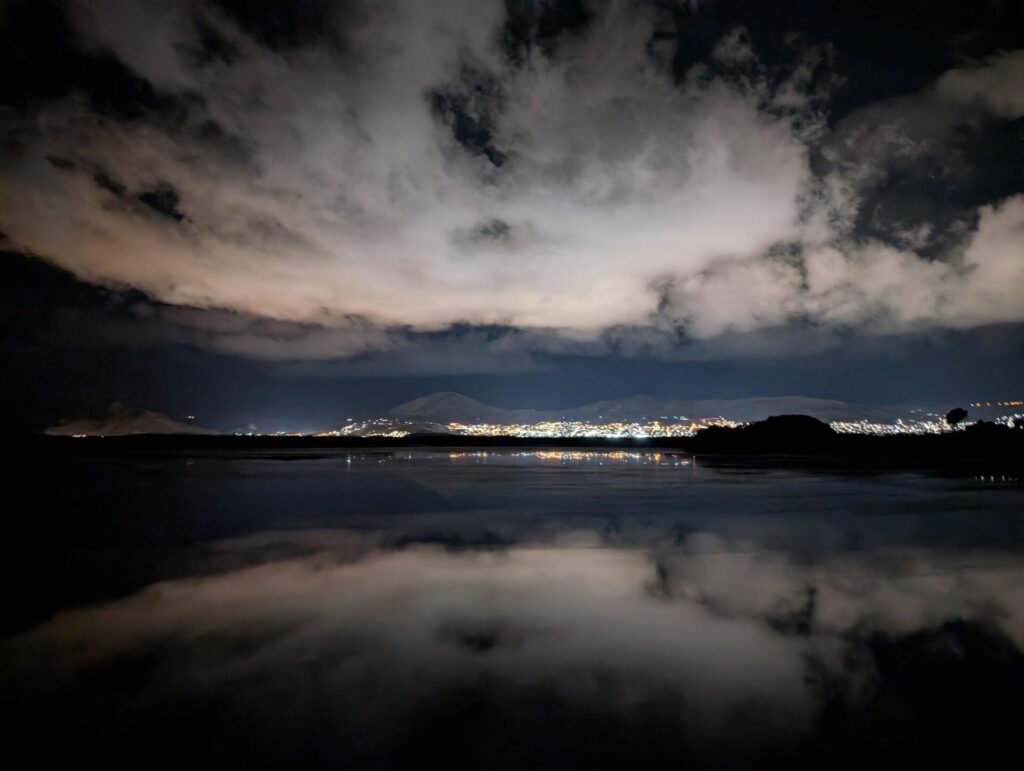
I immediately noticed the stars. The city lights of Arequipa block most of them, but here on the lake, the sky sparkled with rich depth, simultaneously reflected on the still surface of the lake. Let’s just say, I was no longer in a hurry to reach our destination. Our hosts, Alfredo and Mary, had a fresh dinner ready shortly after our arrival. I can’t describe the deep sigh of relief it was to have someone take such great care of us that night.

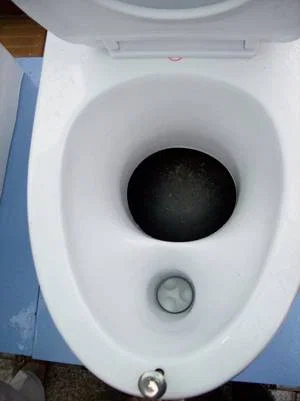
Ecological “Dry” Toilets
Quick aside for another unique part of our adventure – while we had plenty of running water, apparently solid waste is not to be flushed here on the floating islands. What otherwise might have looked like a normal toilet was actually home to a simple trash can that needed to be periodically emptied. Liquid waste down the front, solid waste into the trash can, then toss some saw dust in to keep the smell at bay. Functional, but definitely different!
Sleeping Without Heat
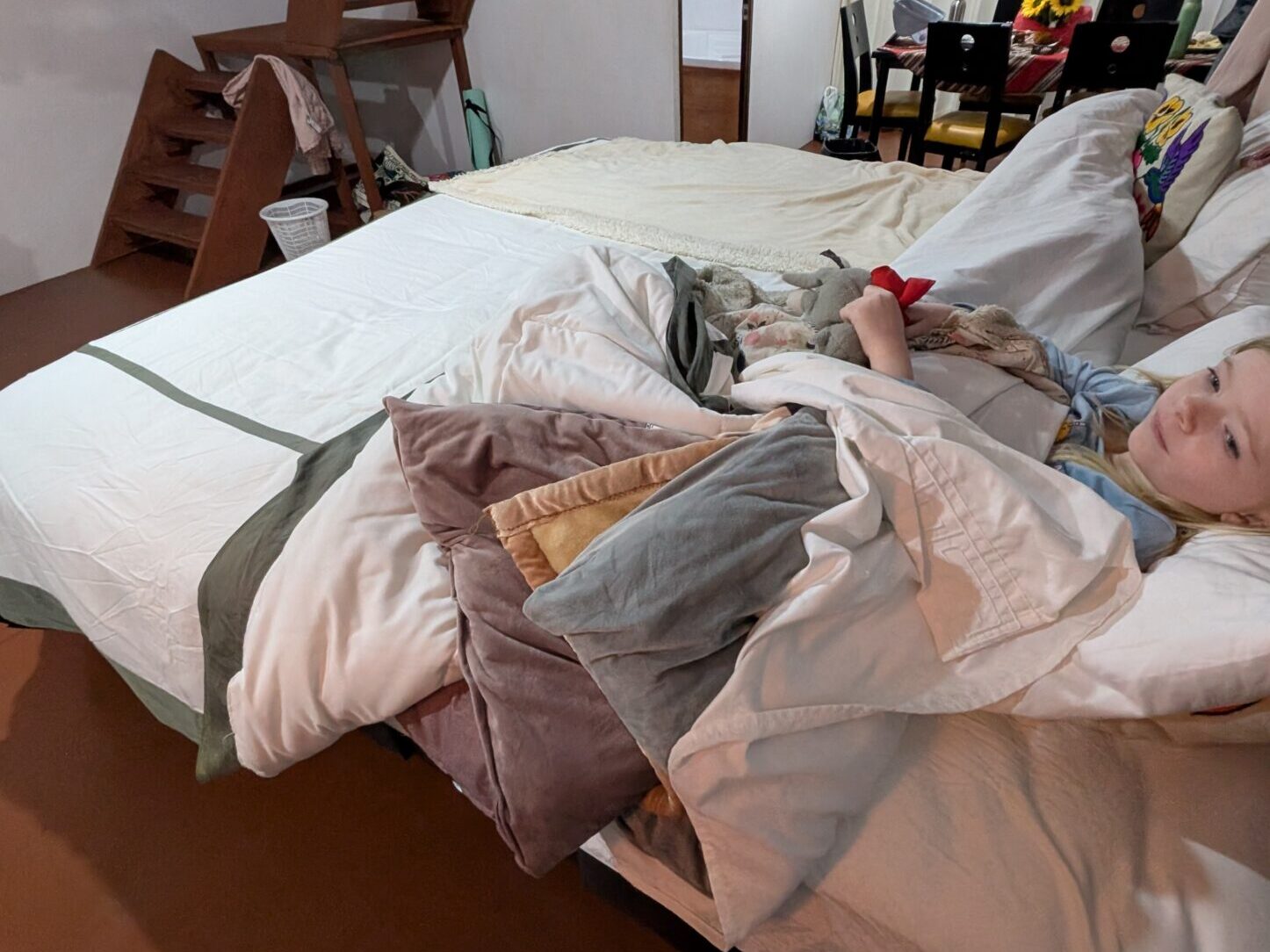
Puno and Lake Titicaca are at a higher elevation, and much colder at night than Arequipa. Nighttime lows were right at the freezing point. Our lodge was one of few with gas heating, but we were only allowed to run it for an hour before bed. With nothing but panelboard for exterior walls, I was worried. Turns out, stacking 4-5 thick comforters is quite effective!
Cultural Learning
This is a fascinating people and history. We learned how the Imata people wanted to escape Inca rule by living on the lake and how they construct floating islands from the roots of Totoro reeds. They then stack a meter or more of reeds in a crisscross pattern to form the island, and they have to add more reeds every 15 days for about 50 years until the island needs to be rebuilt. We learned that they combine several families on an island, and then that they literally saw the island apart if they aren’t getting along.
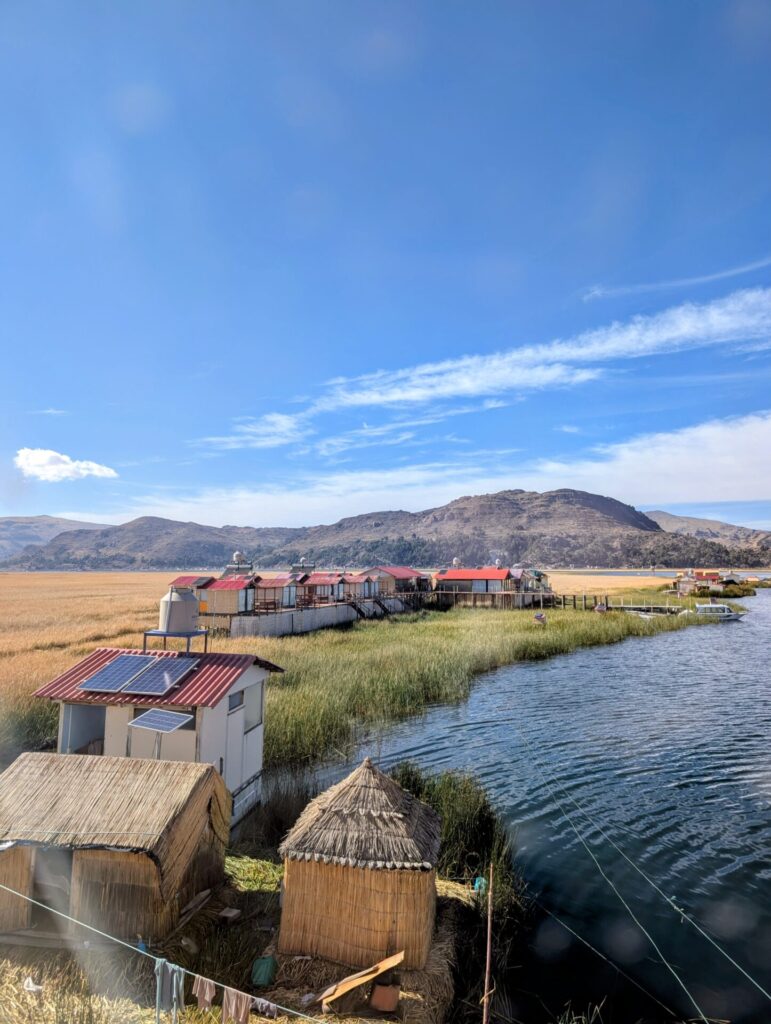
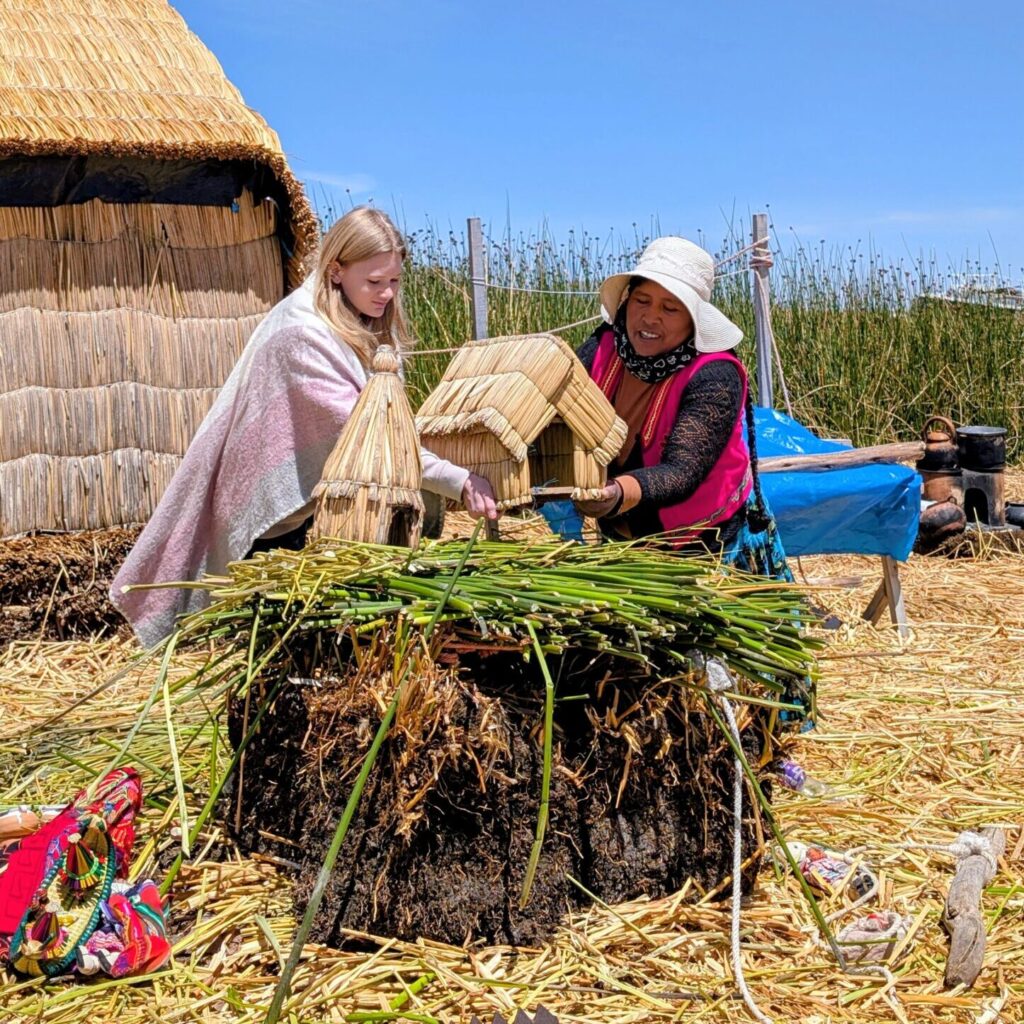
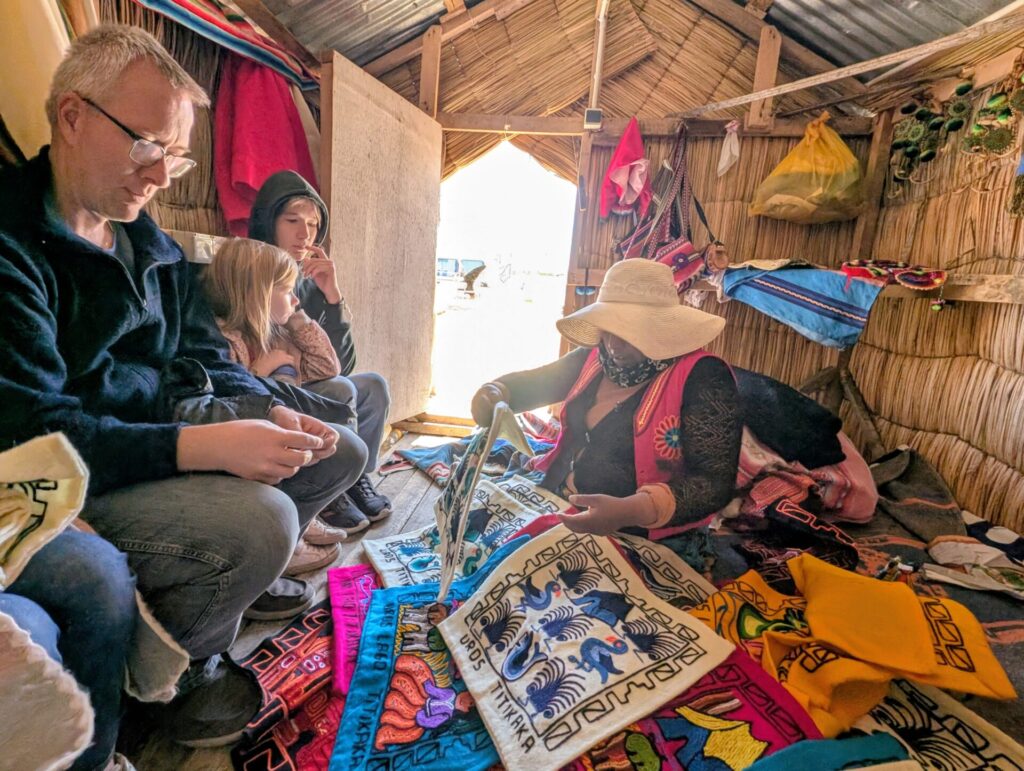
We went fishing with our host and caught a pretty decent haul just placing a net and gathering the fish afterwards. He taught us how the reeds are not just for building homes but introduced us to the parts that are good to eat, and good for curing headaches.
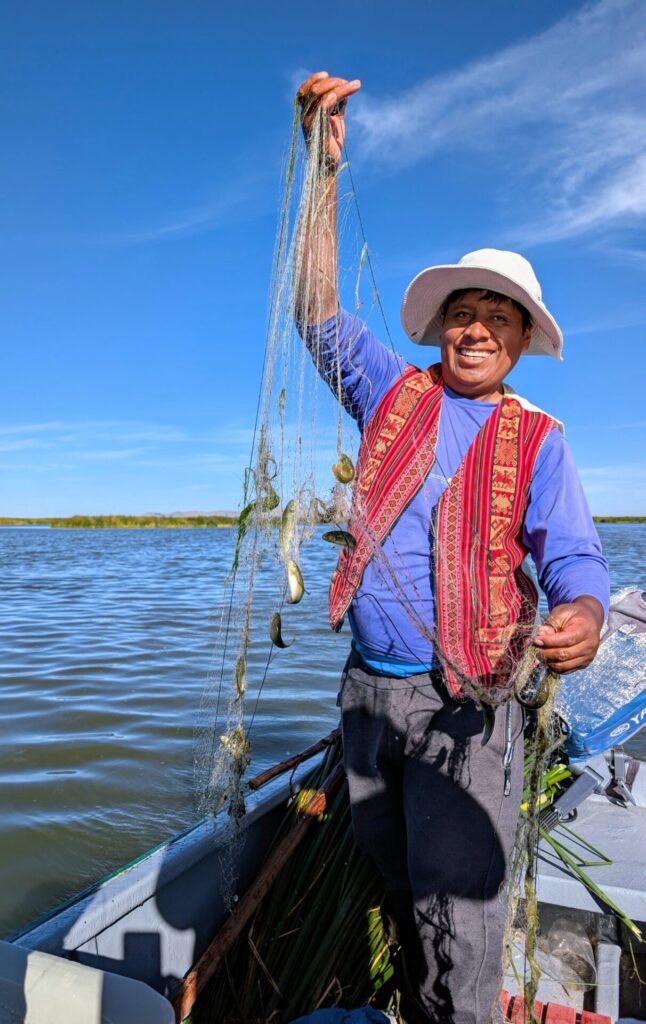

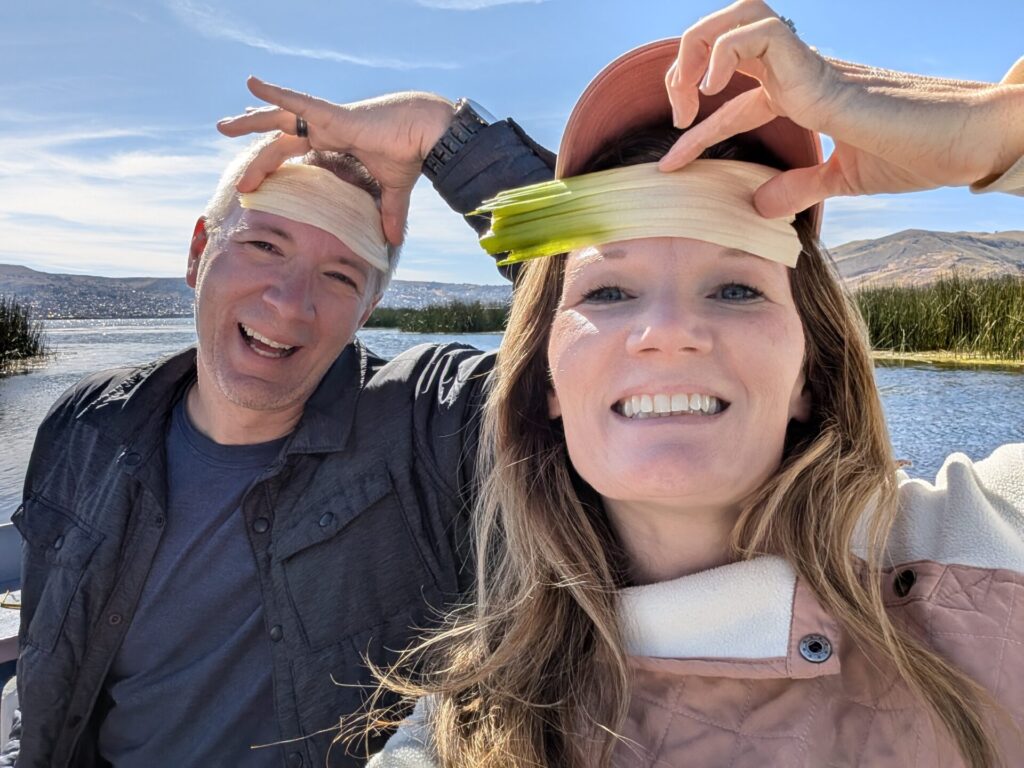
In our conversation with him, we learned about the peaceful and simple life. His response when we asked if the younger generation yearns for the excitement of the city:
The young people do go out to study, they go to work, but they always come back. When the community asks the young people how it went, “no, the city and them, no way.” They always say that in the city everything is money, you have to get around with money, you have to pay rent, everything is money. But here for us it is a blessing from the Lord because we don’t pay for water, we don’t pay for electricity, we have nature that gives us reeds, fish, birds and we are always happy and always thank nature.
Peace and Tranquility
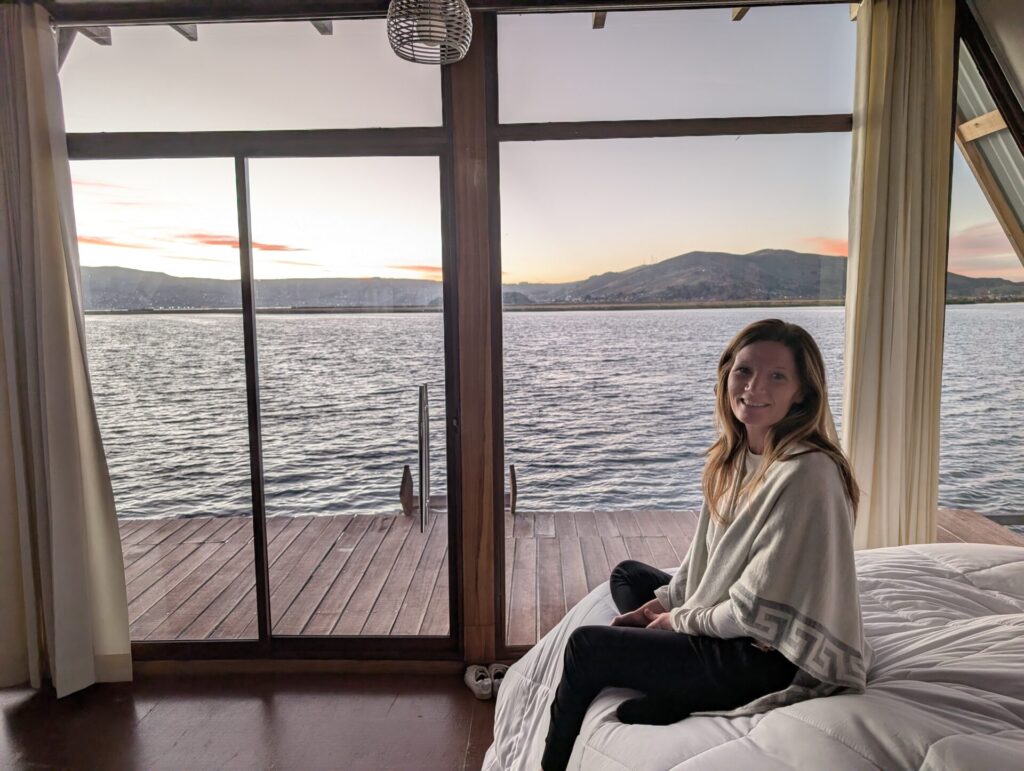
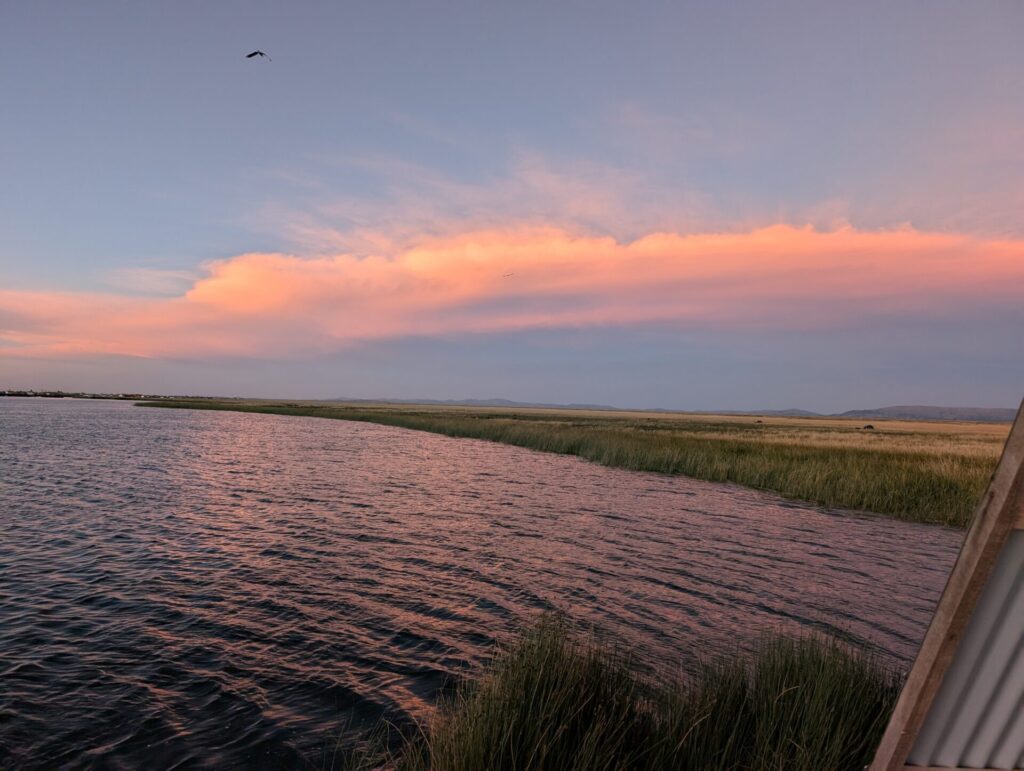
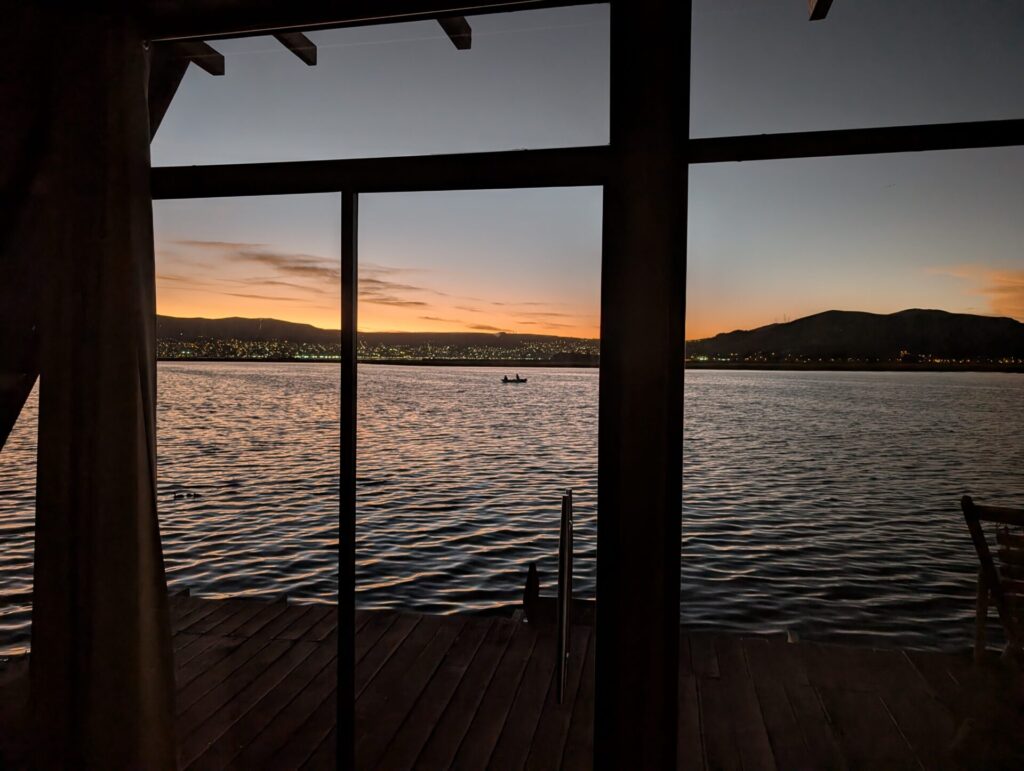
With that beautiful backdrop of understanding local life, we relaxed in the lodge, soaking in the environment. Hallie played with the host’s son. We watched the sun set over the lake. It was truly restful and connecting. A great dinner, a great night’s sleep, and another great breakfast, then on the boat back to shore with fond goodbyes to our new friends.
Reentering Chaos
Then all at once the realities of “everything is money” sank in. I needed a little more cash to finish paying our host and the garage – and never before had I regretted being $10 short so deeply. The ATM was in the center of town, but crowded streets, blocked roads, incessant honking, illegal parking, and a long walk later, my tranquility was thoroughly shattered.
Pillones Waterfall
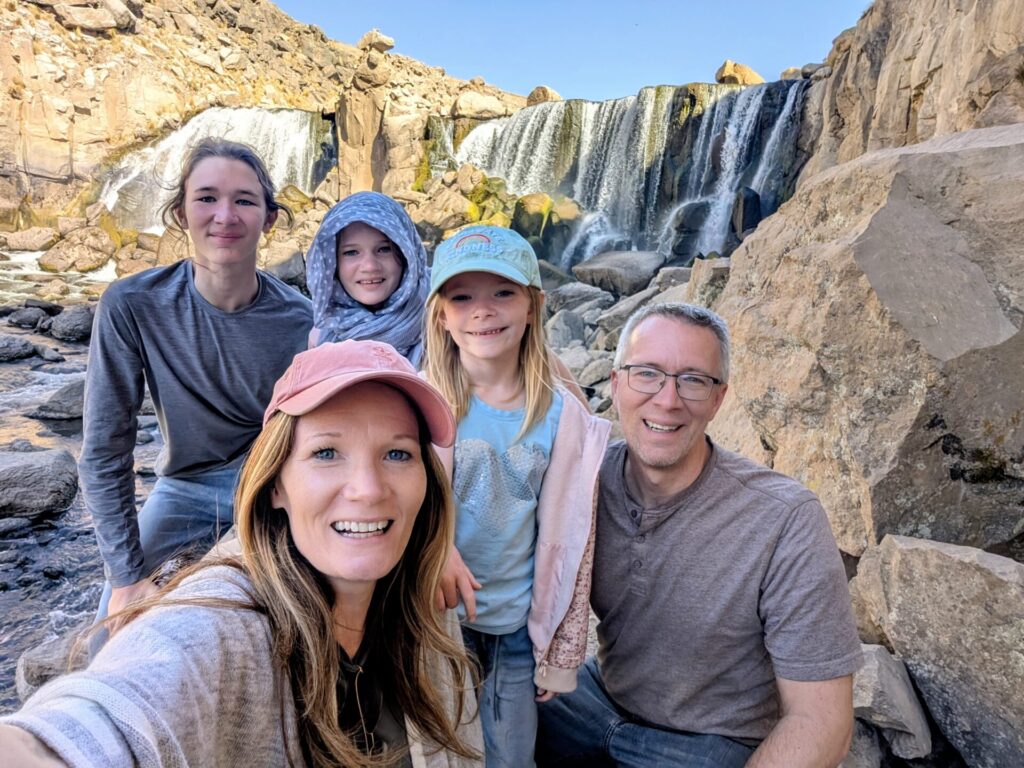
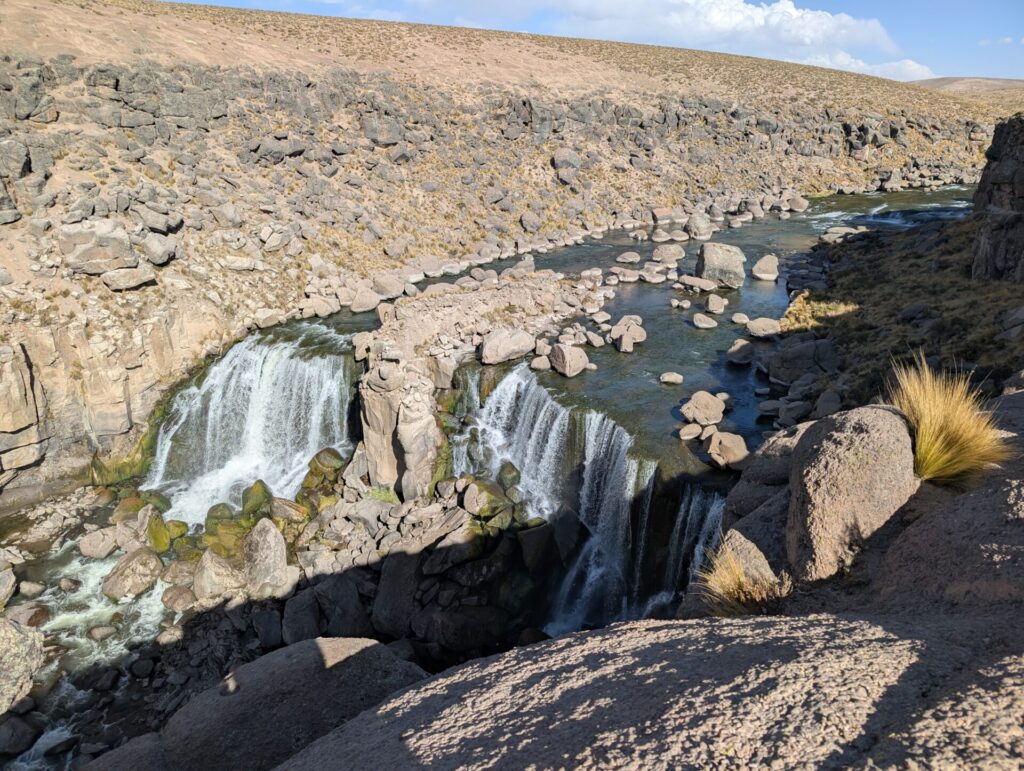
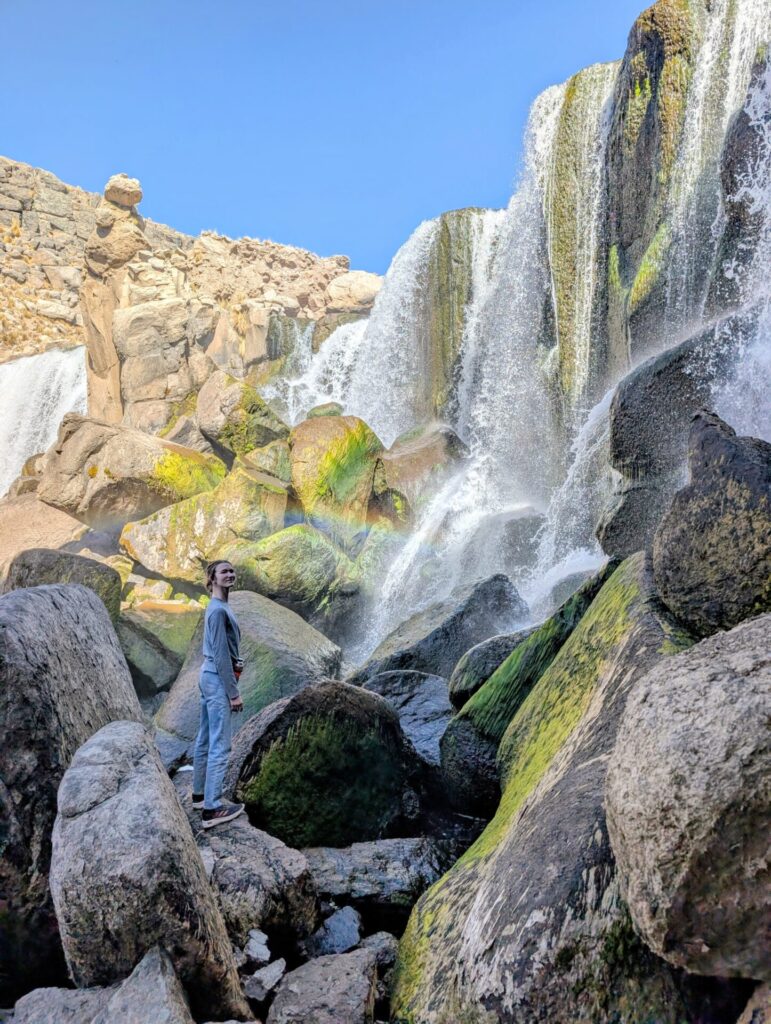
We stopped by the Pillones Waterfall on the way home. As we drove up the barren dirt path in what seemed like nothing more than a wasteland, we wondered if there really was a waterfall to be found here. And we were so grateful to find it! We were completely alone to explore this beautiful spot.
Over City Living
Don’t get me wrong, there’s a lot to love about Arequipa. Every day is a perfectly sunny spring day. We don’t even look at the forecast because it’s always the same: sunny with a high of ~70 F (21 C). The people are the warmest and kindest. Our church congregation is just lovely. We love the fresh fruit stand on the corner, under $3 lunches, fast fiber internet, a spacious accommodation, and that our laundry dries in the sun faster than the next load washes. We love the colorful flowers lining our walk to church.
But driving back into Arequipa that evening, stuck in accident-related traffic, with super aggressive, selfish drivers who lay on horns just to express their impatience, I realized I am ready to not live in the city anymore. Arequipa driving especially has a feel that breeds unnecessary stress. Our experience has been tainted by living on an under-construction dirt road for three months, waking to construction noise every morning, dogs barking all day, and cats in bitter deathmatches outside our thin window all night. Oh, and the party music ’till 4am at least weekly.
Though Arequipa and its people will always have a special place in our hearts, we are looking forward to stepping back away from the chaos. We will be in the USA with families for the next month, looking forward to a faith- and family-filled Christmas!
0 Comments