
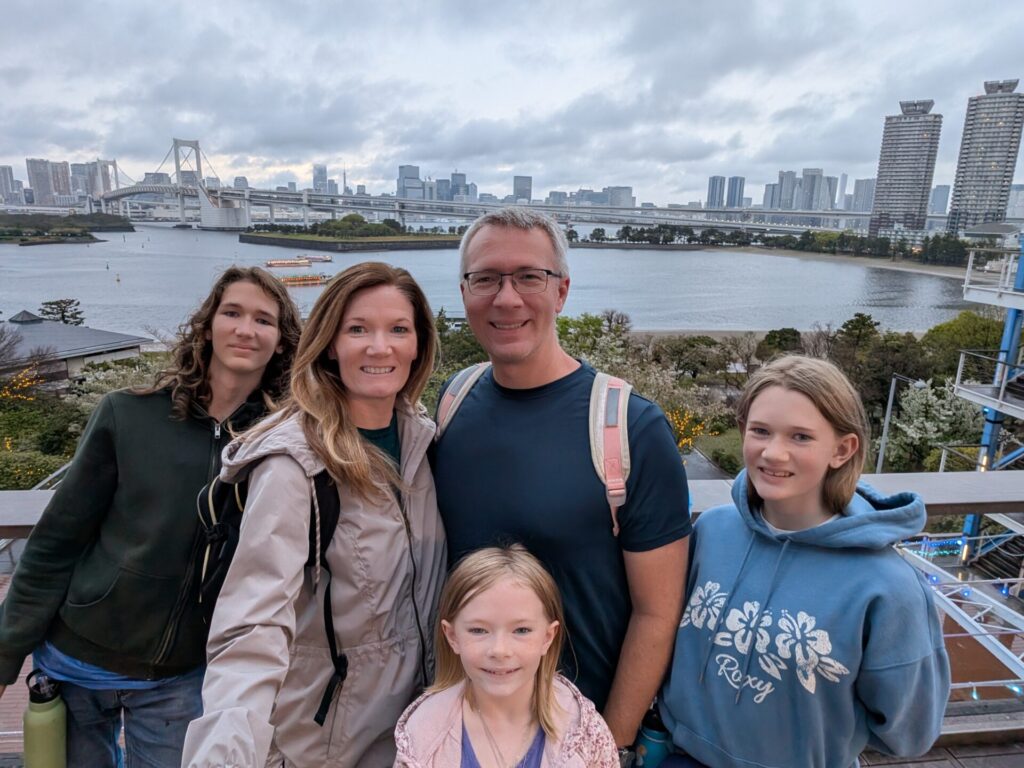
If I had to describe Japan in three words, they would be: clean, quiet, and respectful.
With so many people telling us we needed to visit Japan, sharing how much they loved it, how family friendly it is, we knew we had to experience it for ourselves. In April we traveled all over in the four weeks we were there and they were right; it did not disappoint!
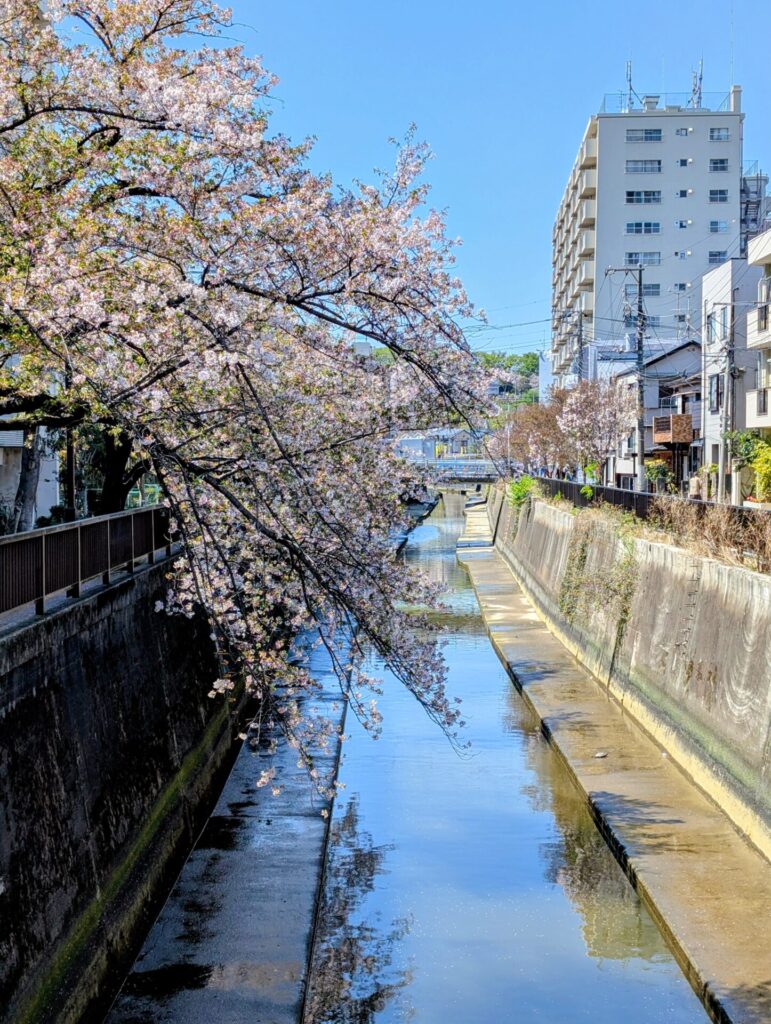
The cleanliness was the first thing that struck us. The streets were spotless—so spotless that after a while we started playing a game: “Can you find a trash can?” Surprisingly, the answer was usually no. Trash cans were few and far between, yet somehow there was almost no litter anywhere.
Part of that comes from the Japanese attitude toward eating in public. We quickly learned that walking down the street with a snack in hand isn’t really a thing. Eating on trains is discouraged, and people typically eat in restaurants, designated seating areas, parks, or at home. If you buy food from a street vendor or shop, it’s common to eat it right there and hand your trash back to the store owner or carry it with you until you can dispose of it properly. Coming from America, where eating while driving, walking, and shopping at the same time is practically an Olympic sport, this took some getting used to.
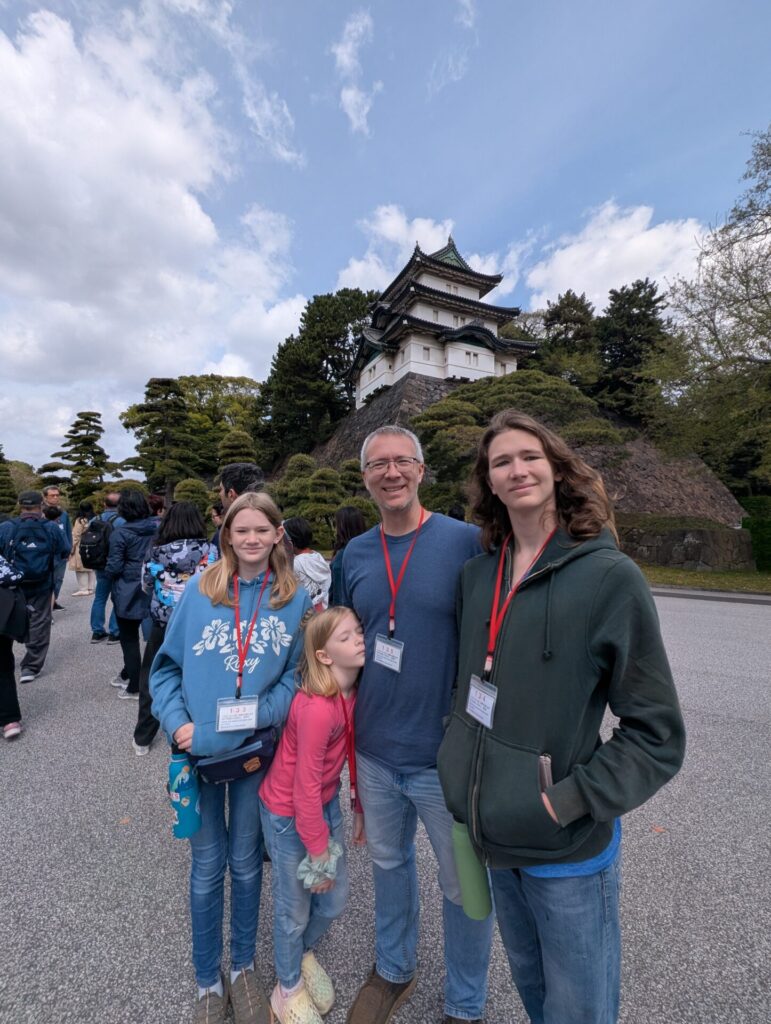
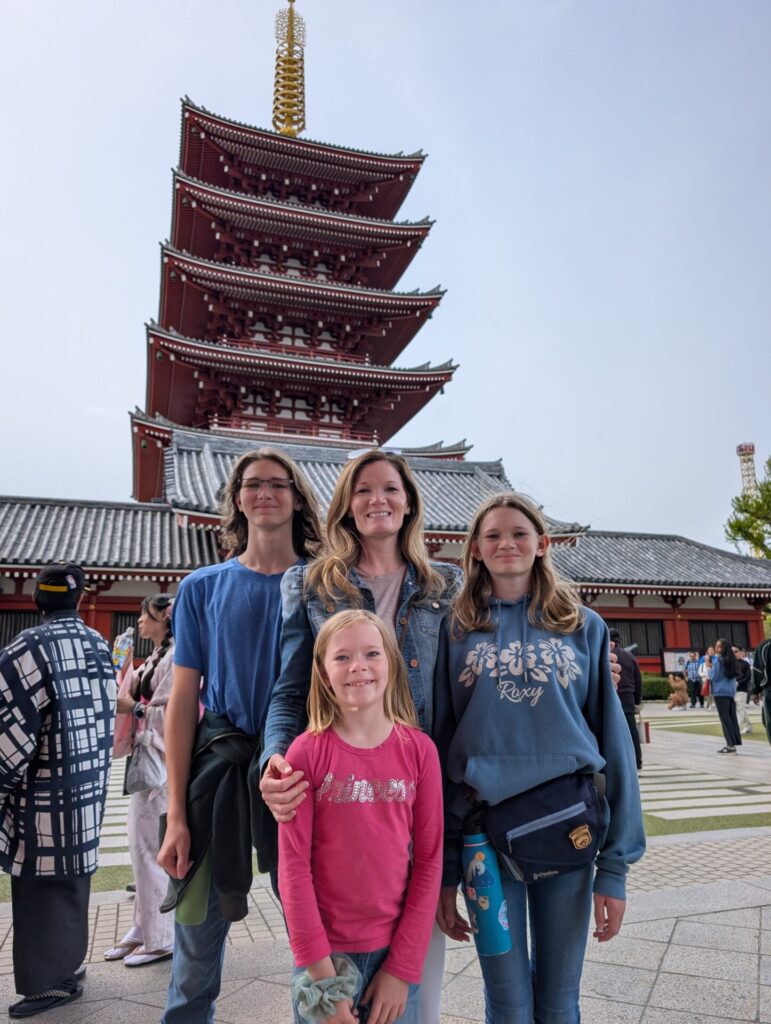
The Japanese sense of order extends far beyond cleanliness. Everywhere we went—train stations, bus stops, attractions, elevators—people formed neat, orderly lines. No cutting. No crowding. No subtle shoulder-checking to gain an advantage. Everyone simply waited their turn.
It honestly felt like an invisible elementary school teacher was leading the entire country from one activity to the next. If the person in front of you wasn’t moving, you patiently waited. Once there was room to pass, you moved along. The result was surprisingly efficient. Thousands of people could flow through busy stations with very little chaos.
We noticed the same attention to detail in how people dressed. When we first arrived in Tokyo, we were convinced there must be a citywide business conference. Every direction we looked, men and women were dressed impeccably in suits, and students wore sharp school uniforms. Even on weekends, when things became more casual, “casual” looked very different than what we’re used to. Think dresses, skirts, collared shirts, slacks, and khakis—not sweatpants and oversized T-shirts. People took pride in their appearance, and modesty seems to be the norm.
Speaking of cleanliness, I can’t let it go without saying something about the spa-like toilets. Here, everyone walks away from the throne feeling like a king!
As we spent more time in Japan, we learned that much of this stems from a cultural emphasis on respect, harmony, and not drawing unnecessary attention to yourself. The goal isn’t to stand out from the crowd but to contribute positively to society. Whether or not you agree with every aspect of that philosophy, it creates an environment that feels remarkably safe. Of all the countries we’ve visited, Japan easily ranks among the safest.
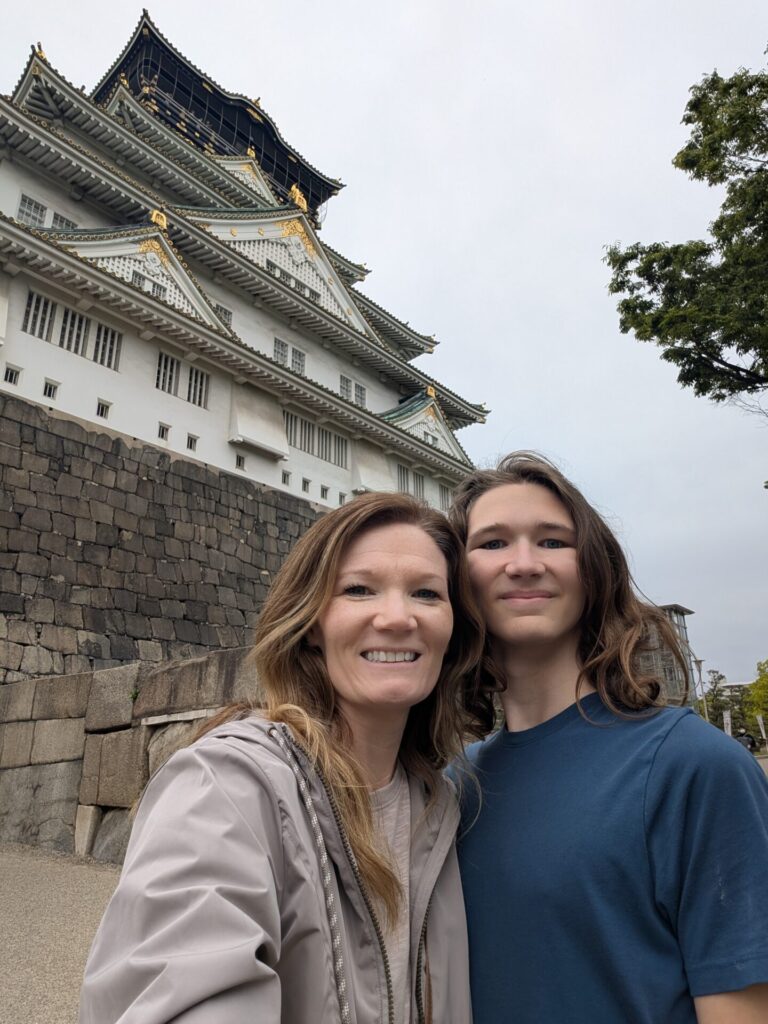
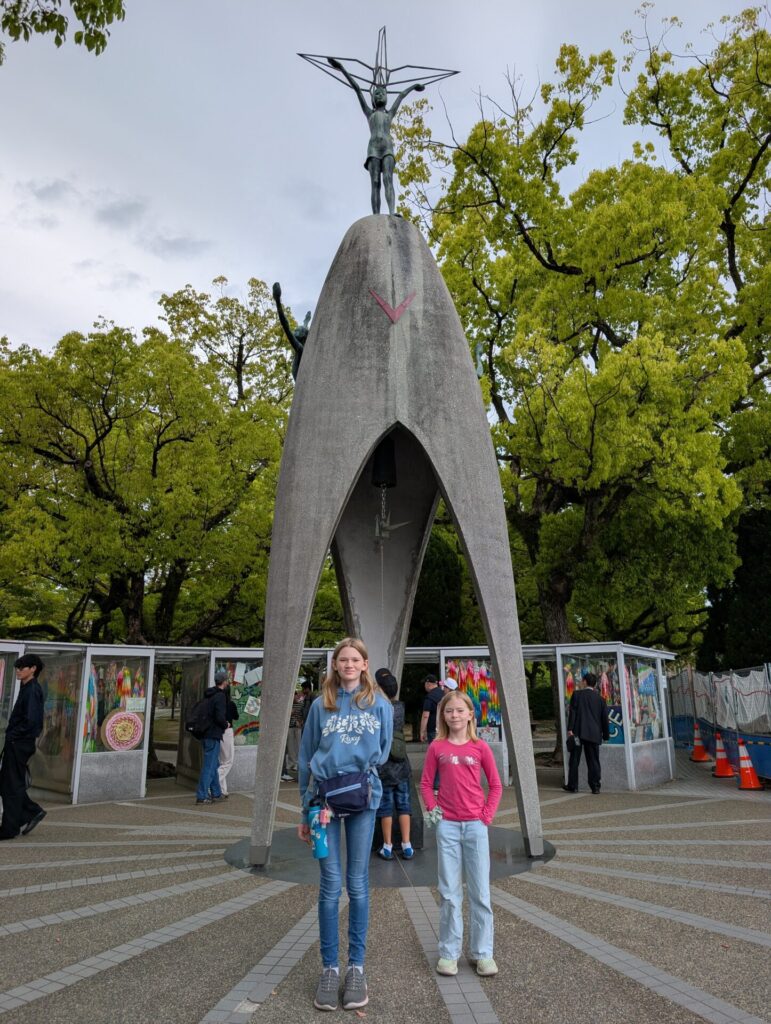
The second word I would use to describe Japan is quiet.
And when I say quiet, I mean quiet.
Walking through parts of Tokyo, one of the largest cities in the world, we could hear our own footsteps. Many of the cars are so quiet that they seem to glide by unnoticed. During the morning commute, thousands of people move toward work and school with almost no conversation. It’s not unfriendly—it just feels focused.
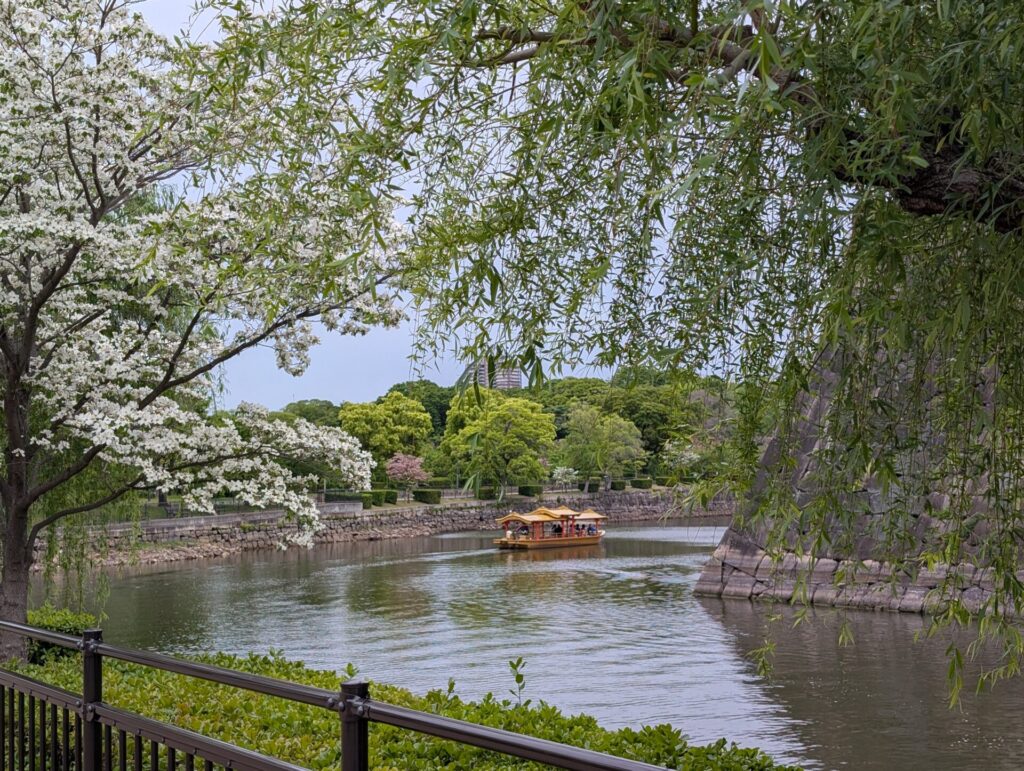
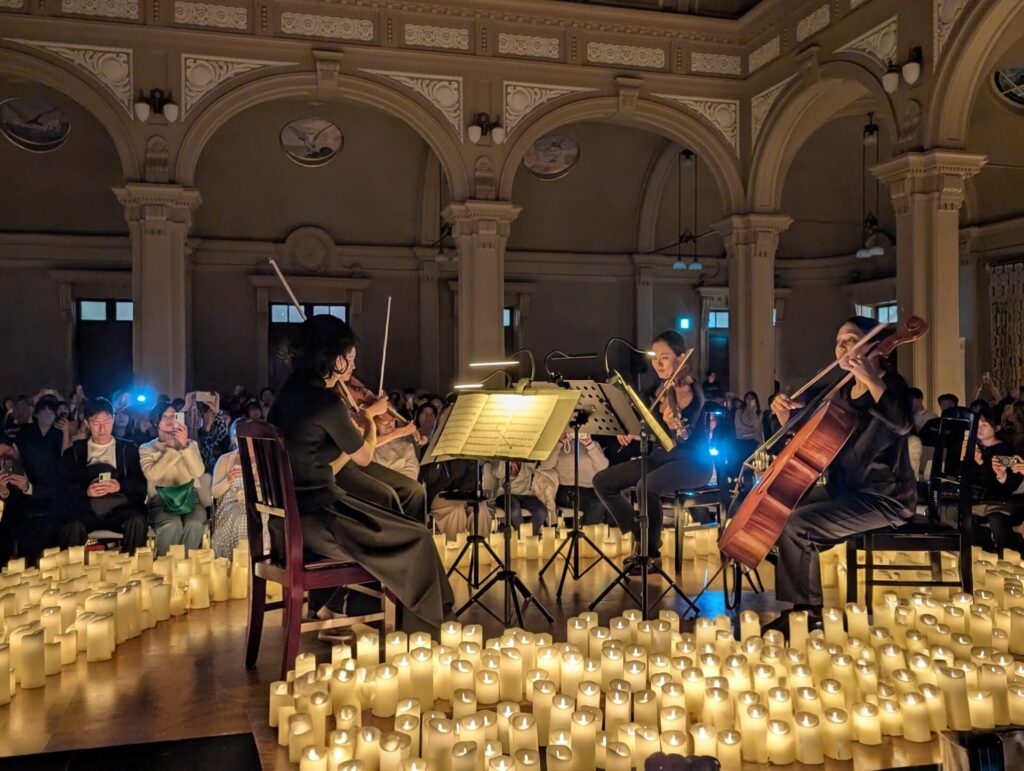
The trains were perhaps the best example. We quickly learned that talking loudly is considered rude. Most passengers keep their voices low, and many remain completely silent. On some trains, soft classical music plays in the background. The atmosphere feels more like a library than public transportation.
After experiencing that for a few days, we started wondering if this might be one reason people seem so composed. Imagine replacing the constant noise of traffic, phone calls, and conversations with a little more quiet every day.
Of course, Japan isn’t always silent.
Around lunchtime and at the end of the workday, the energy changes dramatically. Restaurants fill up. Friends gather. Conversations become livelier. And then comes rush hour.
Rush hour in Tokyo is an experience everyone should witness at least once.
The orderly lines are still there, but now they’re feeding into trains that somehow manage to hold what seems like twice their intended capacity. Personal space becomes a distant memory. You’ll find yourself shoulder-to-shoulder—and sometimes cheek-to-cheek—with complete strangers as everyone squeezes aboard. The goal is simple: fit as many people as humanly possible into the train and get them where they need to go.
It’s organized chaos, and somehow it works.
Only in Japan could we experience complete silence one moment and feel like a sardine the next.
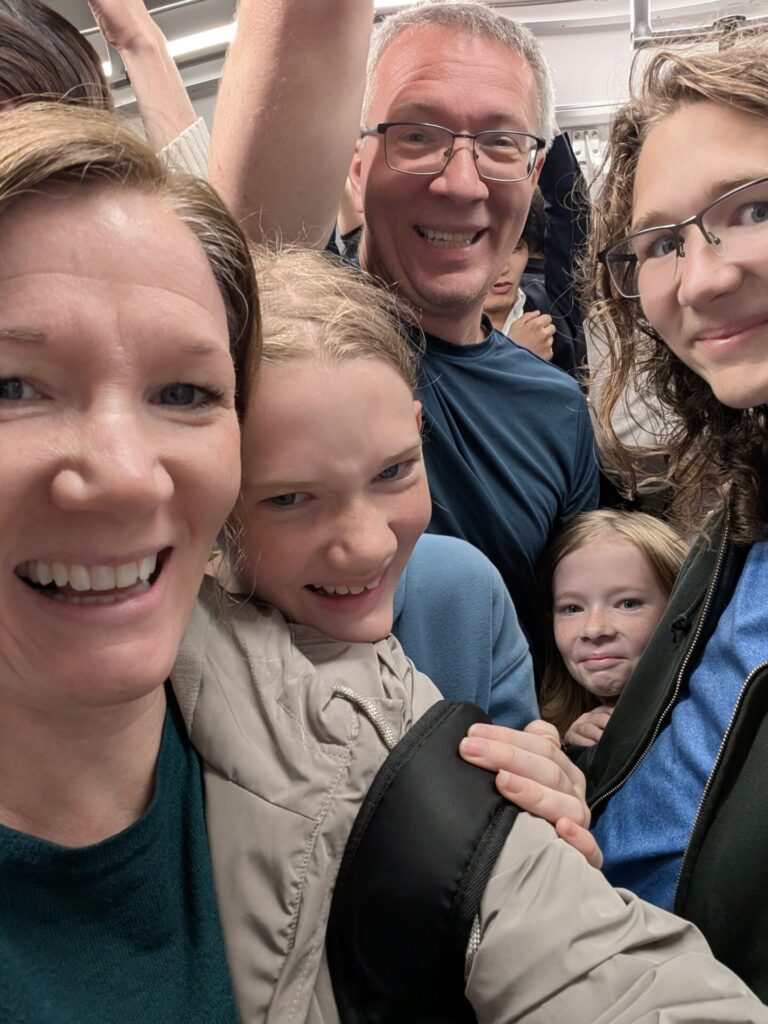
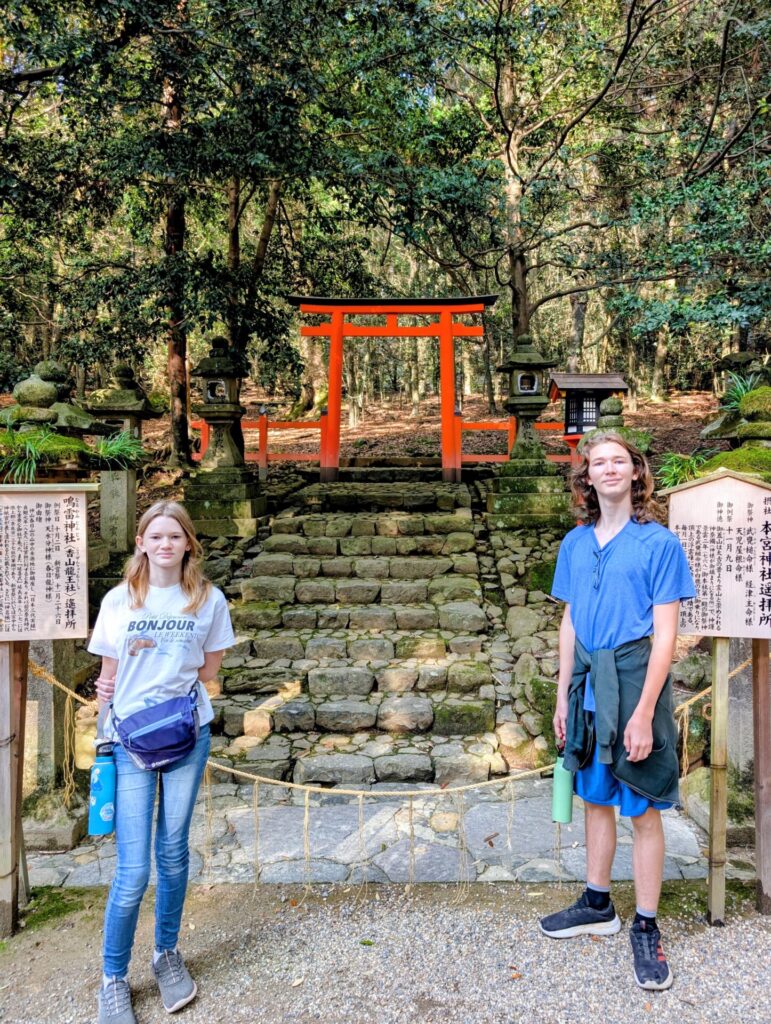
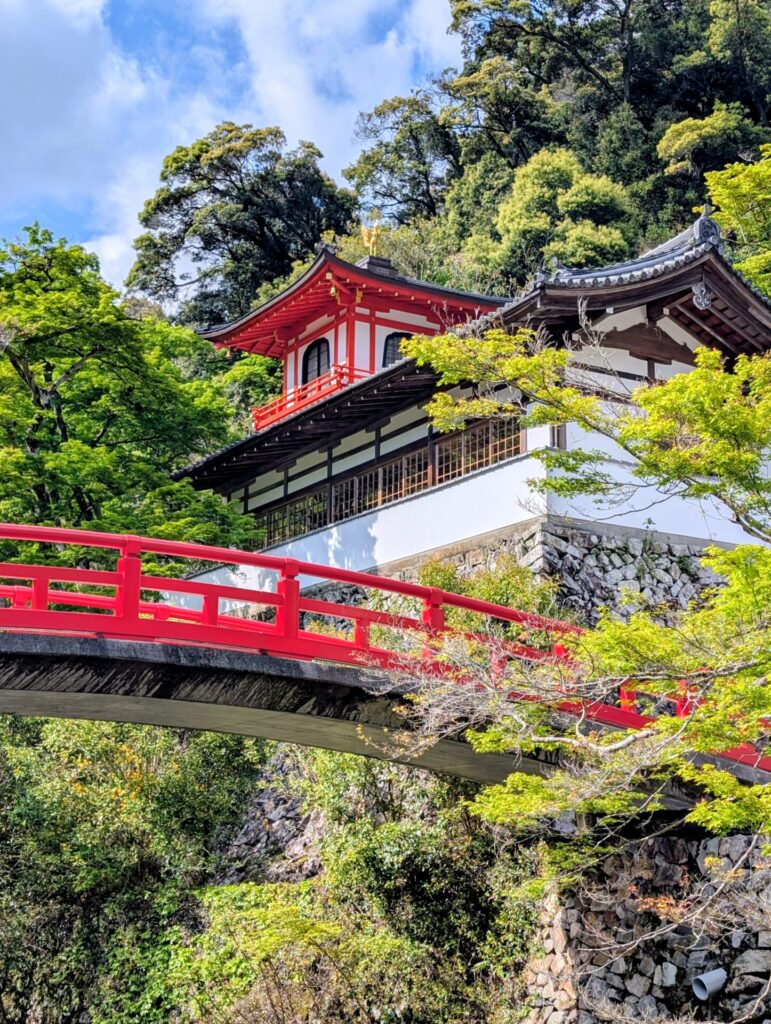
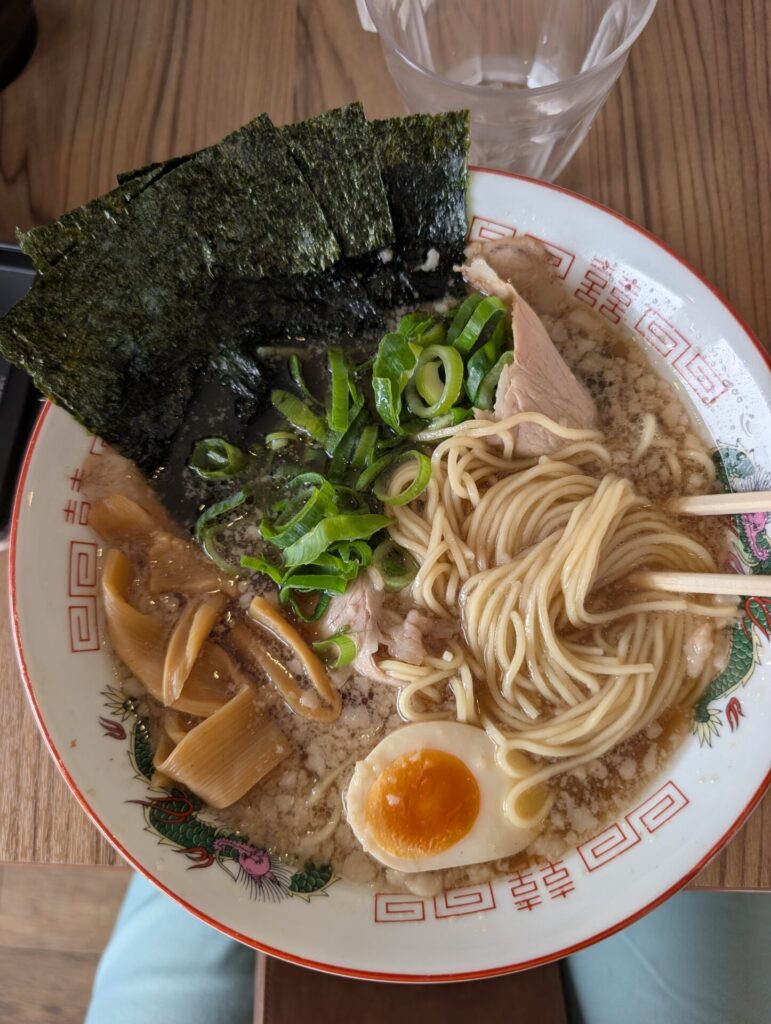
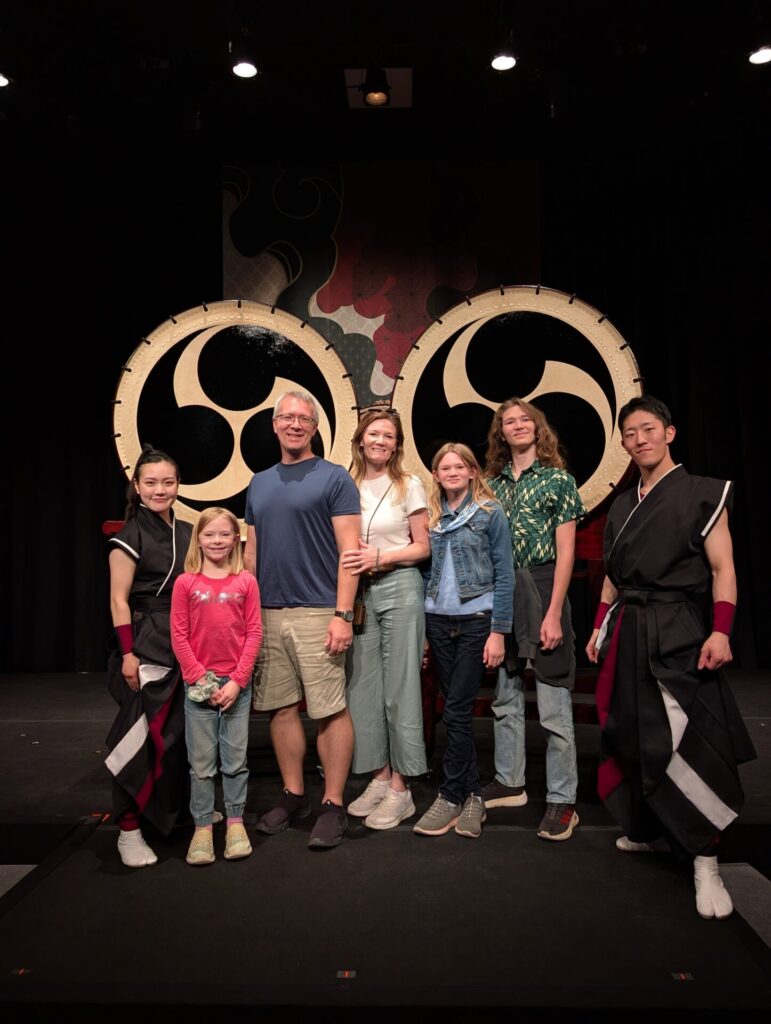
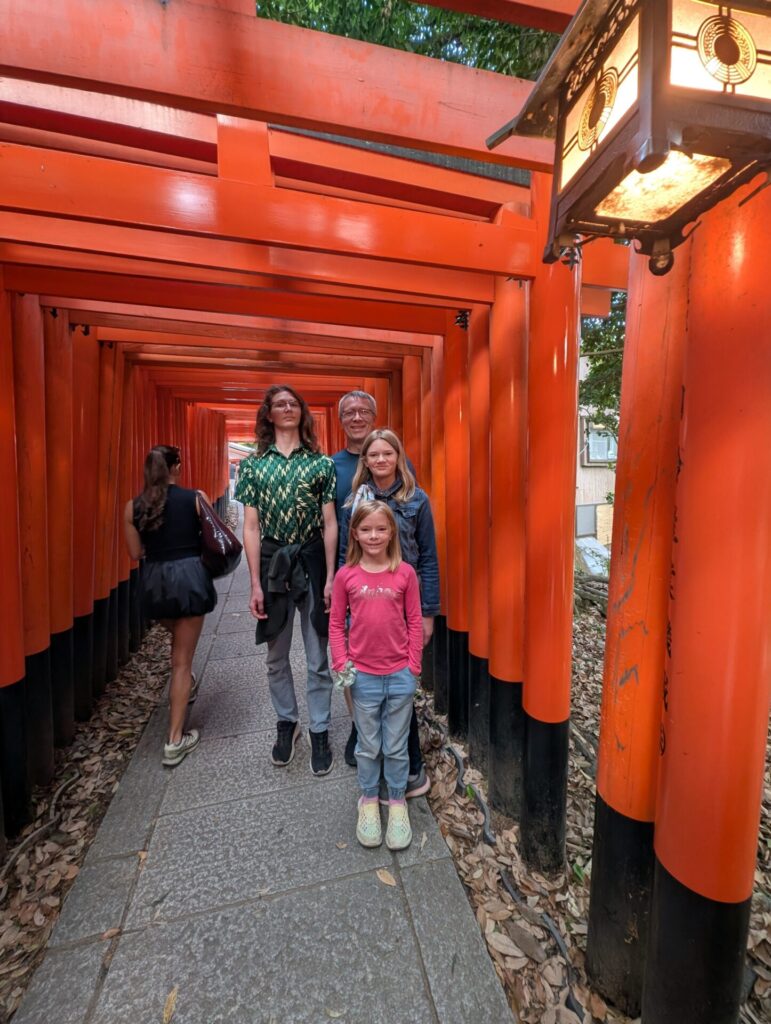
Despite the awkward closeness you might experience on a packed train, the underlying principle is actually respect. The goal isn’t to claim your space—it’s to take up as little of it as possible so everyone around you can be comfortable. It’s a small mindset shift, but one that seemed to influence countless aspects of daily life in Japan.
One moment perfectly captured just how much trust exists within their society. While exploring the city, we watched a woman stop for a run and leave her personal belongings on a public bench. Not tucked away. Not hidden. Just sitting there in plain sight. She jogged her route, returned for a quick sip of water, and then headed back out, leaving everything exactly where she had left it. As Americans, our first reaction wasn’t admiration—it was concern. We spent the entire time expecting someone to walk off with her things. Nobody did.
Respect also shows up in the way people greet one another. A bow is almost always involved, whether you’re meeting someone for the first time, thanking a cashier, or saying goodbye. After a while, we started noticing bows everywhere. In fact, the famous deer in Nara seemed to get the memo too. The local deer have learned that bowing often results in a deer cracker, so before long we found ourselves exchanging polite bows with deer in what may have been the most Japanese experience of our entire trip.
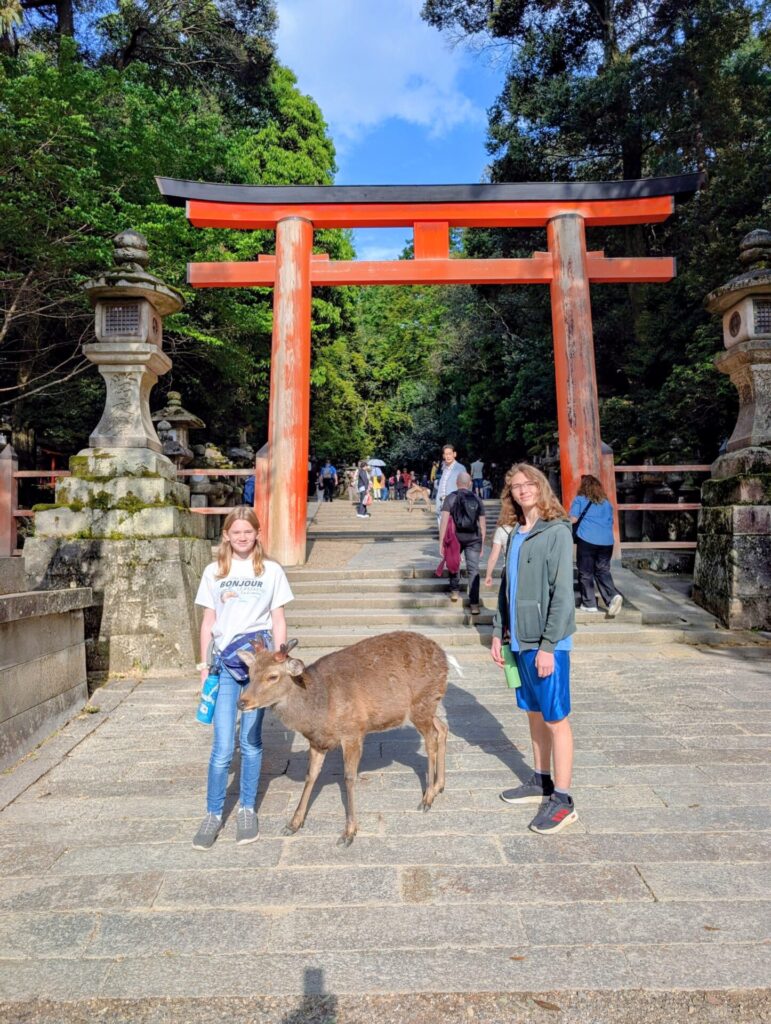
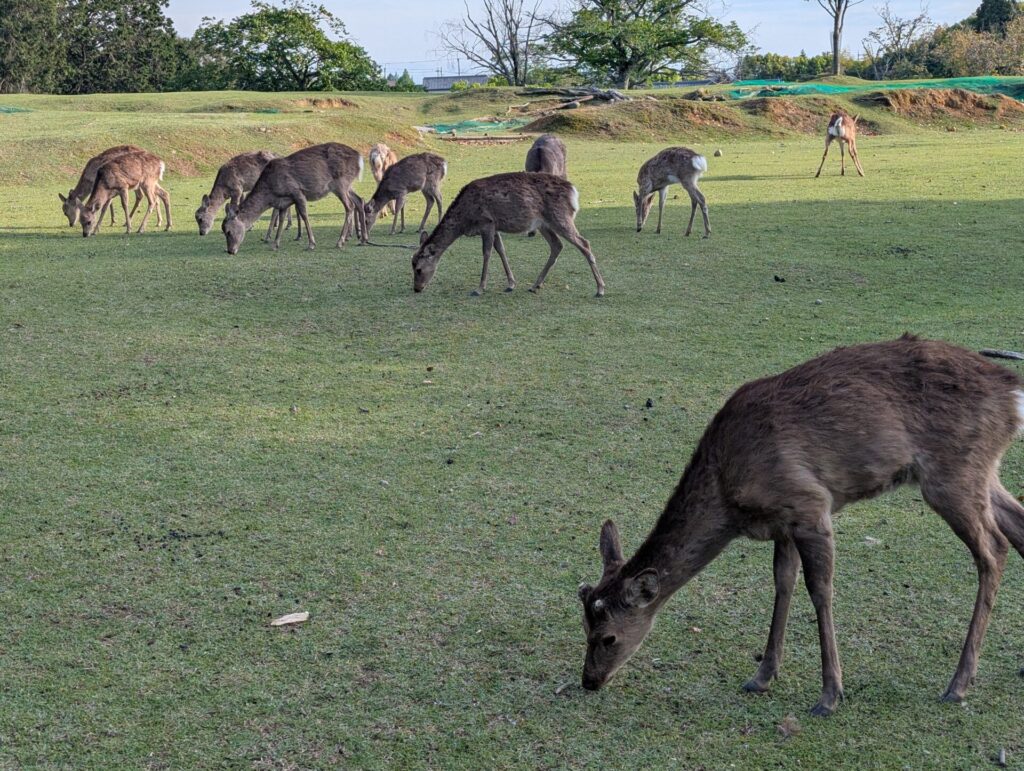
While people generally keep to themselves, that shouldn’t be mistaken for unfriendliness. We found the Japanese to be incredibly kind and helpful. If we looked lost, needed directions, or had a question, people would stop what they were doing to help. And if they couldn’t answer our question themselves, they would find someone who could. More than once, a simple need turned into a small team effort to make sure our family received the help we needed.
By the end of our time in Japan, we had fallen completely in love with the atmosphere, the people, and the culture. There’s a sense of order without rigidity, kindness without intrusion, and respect woven into everyday life. It’s difficult to fully explain until you’ve experienced it yourself, but it’s one of those places that leaves you thinking, “Maybe there are a few things we can adopt to improve our lifestyle.”




0 Comments